
How to Pick the Right PPC Keywords for Your Dental Practice
Discover the best PPC keywords for dentists. Optimize your campaigns to attract new patients and grow your dental practice.

Pay-Per-Click (PPC) advertising remains one of the most effective ways for a dental clinic to attract new patients, promote high-value dental services, and stay visible in highly competitive google search results. Whether your practice specializes in dental implants, cosmetic dentistry, emergency dental care, family dentist services, or preventive dental care, selecting the right keywords is the foundation of a successful Google Ads campaign.
Choosing strong target keywords helps you reach prospective patients who are already actively searching for treatments like teeth whitening, affordable dental implants, porcelain veneers, or sedation dentistry. By understanding user keyword intent and mapping terms to high value services, you pave the way for more potential patients, higher ROI, and a high converting landing page experience.
This outline serves as a guide on how best you should approach setting up successful PPC campaigns specifically tailored towards optimize dental keywords so your dental office can stand out in search; from conducting keyword research all way through analyzing competition while creating compelling ad copy along with implementing monitoring procedures afterward so that desired results could efficiently follow suit without wasting precious time.
1. Conduct Keyword Research
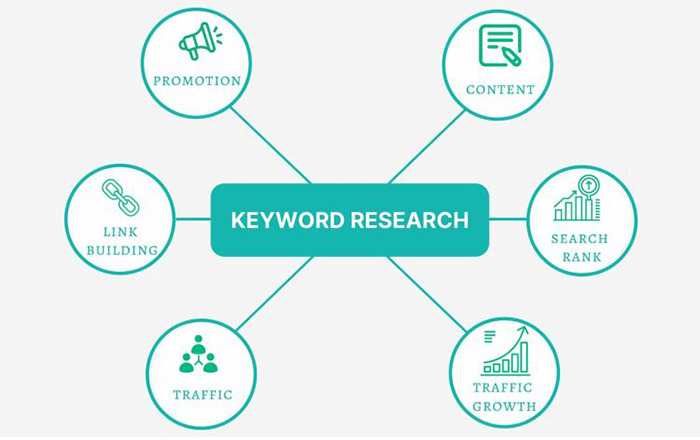
Properly researching relevant keywords to target can mean the difference between a profitable and an unsuccessful investment of time and money into this type of advertising. Studies have shown that targeted ads produce more qualified leads for dental services, helping drive sales goals without relying on broadcasting tactics or higher spending budgets from campaigns with non-targeted search terms included in their strategies.
Effective keyword research helps you identify the right keywords and long tail keywords your potential patients use when searching for dental services such as cosmetic dentist procedures, dental cleaning, urgent dental care, pediatric dentist visits, or even finding the best dentist nearby.
Having a list of optimal words related to your dental clinic will help you better refine who sees your ad – leading potential customers directly toward what they are looking for while also providing them with quality service along the way.
Using tools like Google Keyword Planner, SEMrush, or Ahrefs, you can look for patterns related to:
- Dental implants
- Affordable dental implants
- Cosmetic dentistry
- Teeth whitening
- Family dentist
- Emergency dentist needs
- Sedation dentistry
- Children's dentist searches
- Invisalign provider queries
These tools reveal keyword difficulty, demand, and search volume — helping you choose keywords that align with the patient intent and services your dental clinic offers.
Use of keyword research tools
When conducting your search, it’s critical that you use reliable keyword research tools to help uncover service based keywords tied to high-value treatments like porcelain veneers, dental implants, teeth whitening, or orthodontic services offered by an Invisalign provider. You’ll also discover queries related to dental insurance, free consultation, same day appointments, and niche procedures that help your dental practice stand apart. The right tool will help identify relevant keywords and reveal insights into their popularity, challenges with the competition, or other opportunities within the space, such as changing trends of targeted customers’ queries/interests over time.
Whether using free online web-based services or commercial software applications like Google Keyword Planner, having access to reliable metrics on expected searches related to cosmetic dentistry, preventive treatments, or general dental services provides much-needed clarity when making informed decisions about potential target words for dental PPC campaigns.
Identifying relevant keywords for your practice
To identify relevant keywords for your dental clinic, you need to use Google Keyword Planner and other research tools. For example, Google Search Ads help determine which words and phrases are being used most when searching online for dentistry or specific procedures/treatments offered by your business. This insight allows advertisers to prioritize terms that generate higher conversion rates and refine their dental PPC strategies.
You can also utilize third-party resources such as SEMrush’s Keywords Magic Tool which highlights popular searches related either directly (e.g., “dentist near me”, “dental clinic near me”, “cosmetic dentist near me”, “dental cleaning services near me”, “emergency dentist open now”, “dental services in [city]”, “dental care for families”) or indirectly (“teeth whitening gum”, dental implants) to what you offer – giving a comprehensive overview of potential search queries from users looking for similar products and services like yours in certain geographic areas. Then map those terms to your website's landing page or dedicated landing pages for each treatment.
By leveraging these insights generated through performing rigorous keyword analysis on both industry data sources & competitor platforms, understanding user intent will help narrow down desired outcomes while targeting valuable opportunities within an effective PPC campaign strategy specifically tailored towards wanted results across multiple channels available today.
2. Group Keywords into Ad Groups
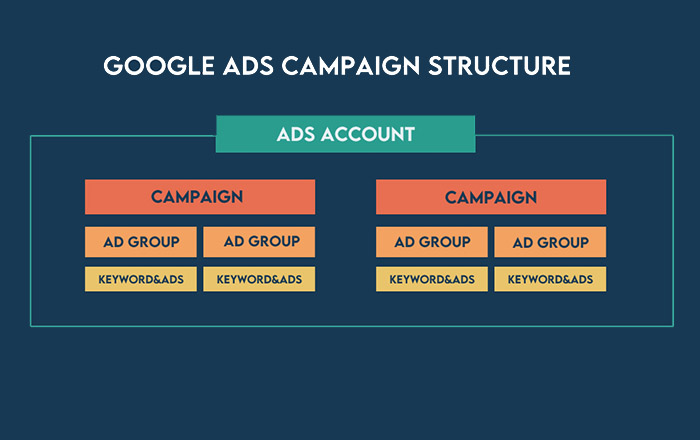
Ad groups are collections of keywords grouped together based on potential customers’ needs and interests. Grouping similar terms increases the effectiveness of PPC campaigns by creating multiple categories for different ad content, thus allowing more flexibility in targeting specific audiences.
Ad groups also allow advertisers to set bids from one group to another depending on their performance; these grants control over budget allocations while ensuring that only highly-targeted ads appear when an interested user searches with a particular keyword or phrase used within each associated grouping.
For example:
- Dental implants
- Affordable dental implants
- Cosmetic dentistry
- Teeth whitening
- Emergency dental care
- Sedation dentistry
- Family dentist
- Dental cleaning & general dentistry
This structure enables better budget control, higher relevance, better search results, and more satisfied patients.
Benefits of grouping keywords
Grouping keywords into ad groups provides a way to organize and manage your campaigns more efficiently. These keyword groups help you target specific ads for each search query, which can ensure better performance from the campaign overall by optimizing relevance for users.
Additionally, grouping relevant keywords together allows you to create effective bids that are set based on how competitive certain terms may be in auctions. This helps ensure that lower-value queries don’t waste budget while allowing higher-value ones to have larger impressions shares of available inventory space and bidding amounts if necessary.
Finally, creating helpful ad group structures makes it easy to find optimization opportunities or adjust settings quickly when needed so advertisers can take advantage of new market conditions as they arise.
Strategies for grouping keywords
When creating ad groups, it’s important to keep in mind that grouping keywords by topic or theme can be extremely beneficial. This helps focus the ads on particular topics and makes them more relevant for users searching for specific information. For dental practices, this could mean setting up different campaigns with unique keyword lists targeting preventive care services separate from cosmetic procedures such as teeth whitening and orthodontic treatments.
Additionally, one may consider grouping “long-tail” (more specific) terms separately than generic ones since they tend to have higher conversion rates due to the niche nature of queries being made by search engine platforms like Google Adwords which lead interested shoppers directly into your practice website funnel where conversions take place faster making a positive ROI impact unto the business operations overall budgeted costs.
Moreover, open opportunities suggest further brainstorming related themes within those main categories breaking down each even shorter phrases allowing businesses to improve their awareness together consumer behavior measurement just tracks user engagements onto what catches the best return investment.
3. Choose Effective Match Types
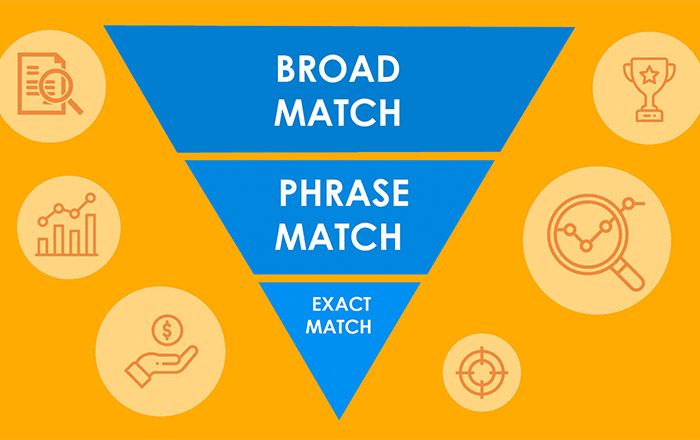
Differences between match types
When constructing a PPC ad campaign it is important to consider the type of match you use for each keyword. They determine how closely related your keywords need to be in order for ads to show up on search engine results pages (SERPs). There are four main types of match – broad, exact, phrase and modified broad matches.
- Broad match will show your ads any time search terms include close variations on keywords;
- Exact match require an identical query and high intent keywords in order for advertising to appear;
- Phrase match requires specific orders or inclusion of extra words for activation but allows some variation relative term usage;
- Modified broad warns against certain combinations or modifications from being used when activating results by targeting only very carefully chosen queries relevant to practice needs.
Using phrase match for terms like “dental implants cost” or “cosmetic dentistry near me” ensures your ads show for queries showing real patient intent.
Choosing effective match types can make all the difference between success and failure with PPC campaigns as having too many irrelevant impressions could be wasting valuable budget!
Strategies for selecting match types
When selecting match types for PPC advertising, it is important to consider the overall objectives and goals of your campaign.
Broad match provides increased visibility of ads but can lead to higher costs if not monitored closely; whereas phrase or exact matches provide more targeted user searches with fewer ad impressions though lower clicks.
When deciding on a strategy, think about if you want extensive coverage or laser-targeted precision in order to best optimize results while being mindful that all have different levels of cost involved as well as competition accuracy which could potentially affect Quality Score – thus further affecting CPC metrics.
Additionally taking advantage modifiers such as +focused phrases help narrow down search criteria without limiting too much reach potential so be sure to use these helpful tools when planning out strategies for matching certain keywords off their goals within the larger context plan’s framework including budget circumstances allow for this level detail processing control
4. Consider Negative Keywords
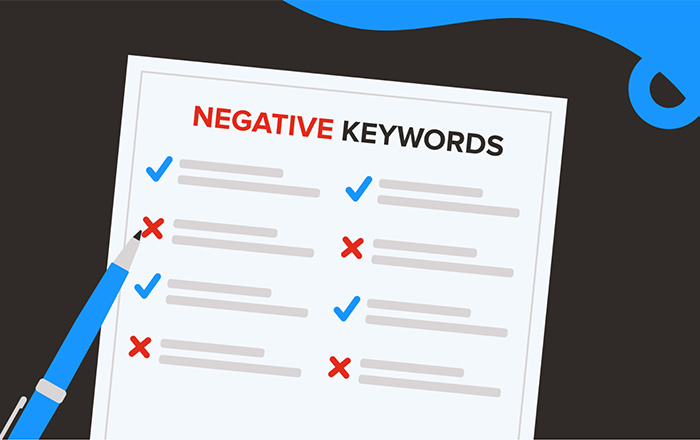
Negative keywords are words and phrases used in Pay-Per-Click (PPC) advertising that tell search engines not to show your ads when those terms or similar ones appear in a user’s query. You can use negative keywords for excluding irrelevant searches from triggering your campaigns, improving quality score, targeting the right customers more precisely, controlling costs by avoiding costly clicks & ensuring better ROI on PPC investments.
Negative keyword research involves analyzing what kind of queries should you avoid so that people who won’t convert don’t see your ad. Successful identification of proper negative keywords will help focus only on potential relevant visitors instead of wasting resources reaching out to uninterested viewers and hence get maximum profit out of the limited budget set aside for marketing spends.
Importance of negative keywords
Negative keywords are essential for effective Pay-Per-Click (PPC) advertising, as this helps control ad spend and ensure your ads reach the right audience. Negative keywords allow you to exclude irrelevant search terms from triggering your PPC with inappropriate messages or advertisement associated with it.
Targeting negative keywords in a way that eliminates traffic which isn’t helpful can help businesses make sure their budget is focused on only those queries they expect to drive conversions thus optimizing their campaigns more efficiently. Without using adequate negative Keywords, companies may end up spending money on low-quality leads leaving them stuck paying cost-per-click costs without any return on investments at all times!
Identifying negative keywords
Negative keywords are words and phrases which, when included in searches, you do not want to trigger the display of your ad since they will likely result in clicks with no conversions or low-value leads who may have difficulty converting into actual customers.
The best way to identify effective negative keyword targets for dental practices is by looking at search queries that did trigger ads but resulted from either very few impressions or none/low value leads from those resulting clicks (like teenagers, investors, etc).
Additionally, it’s also important to add misjudged spellings & brand competitions as well so avoid unwanted wastage of budget on irrelevant yet similar sounding terms like dentist vs dentist etc. Depending upon how deep one wants to go into this process -you can even examine past conversations throughout social media platforms attempting guessing what related topics people don’t prefer seeing such Ads within online spaces.
You can also exclude unrelated industries or educational queries, which helps improve SEO efforts and improves your search results quality.
5. Analyze Competition
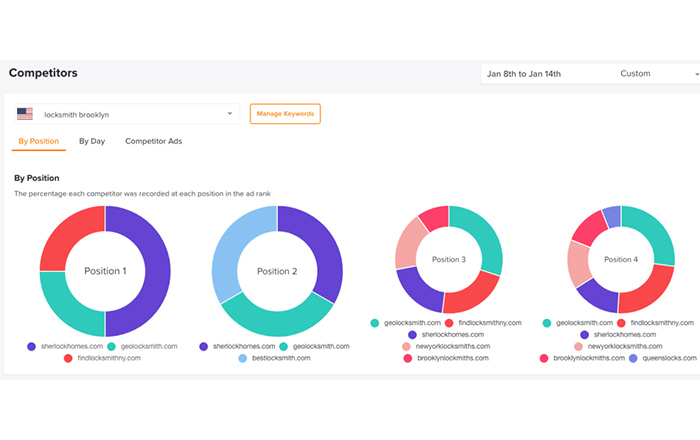
Competition analysis is the process of analyzing other businesses in your industry that are running online advertisements. This helps you identify areas to differentiate yourself from competitors and also track their progress over time.
Through competition analysis, dental practices can gain insight into what types of ads others use, dental services they highlight, catchphrases they focus on, and strategies for lower cost-per-click (CPC). The analysis could include investigating competitor search terms within Google Ads or checking out display campaigns with tools like SimilarWeb Pro or SpyFu.
Review their landing page structure, their google business profile, and their use of patient testimonials to attract new patients.
This competitive analysis improves your keyword strategy, informs your meta descriptions, and highlights opportunities for more effective dental ads.
Gathering intelligence about social media presence via platforms like Facebook Audience Insights Tool will enhance campaign performance too! Competition turns up valuable insights that allow dentists to tailor digital marketing efforts accordingly – increasing PPC ROI from campaigns down the line.
Benefits of analyzing competition
Analyzing competition is an important part of any PPC campaign. It helps to understand the landscape of ads being used by competitors and can help identify areas for improvement or opportunities that are not yet tapped into. Benefits include:
- Gaining competitive intelligence –Competition analysis will help you gain insight on what’s working in your market and how much budget they are pushing towards particular keywords, creatives, etc., so that you can adjust strategies accordingly
- Establishing a benchmark – Studying rival campaigns benchmark provides marketers with perspective from which optimizations & changes may be evaluated relative to current performance
- Improving targeting efforts– By studying competitor data such as device target spending/keyword spread one could better focus their time & money toward more fruitful channels versus wasting resources where significant ROI cannot realistically be achieved
Strategies for analyzing competition
Strategies for analyzing competition include researching what competitors are bidding on, looking at their ad copy, and examining the conversion rate of ads they’ve run.
By discovering which keywords are providing positive results to other practices in the dental field, dentists can identify those terms that will be successful when used through their own PPC campaigns.
You may discover that they feature:
- Pediatric dentist services
- Teeth whitening specials
- Emergency dental care promotions
- Free consultation offers
- Family dentist discounts
Additionally, by checking out rivals’ websites and reviewing potential new competitors who may not yet have an online presence – but could impact a campaign’s success – practitioners should make sure they’re aware of all possible threats or opportunities coming from outside sources too. Lastly, it’s important to look over customer reviews as well because users usually talk about certain topics related to services provided by these companies such as fees associated with common procedures within any industry – so knowing feedback is key!
6. Create Compelling Ad Copy
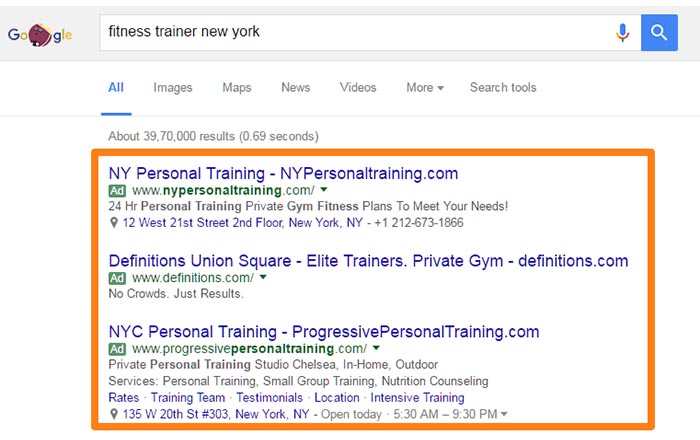
Ad copy is an important part of a successful PPC ad campaign. It should be crafted in such a way that it piques the interest of targeted viewers and convinces them to take action, like clicking on your ad or visiting your website.
Ad copy also helps you differentiate yourself from competitors and can help establish trust among potential customers by providing evidence-based claims regarding what sets you apart as their top choice for services offered by dental practices they are considering. Crafting compelling ads takes creativity, but ultimately pays off when users engage with your content more meaningfully than competing advertisers’ efforts alone could provide.
Strategies for writing effective ad copy
Creating effective ad copy for PPC campaigns is an important step in developing a successful strategy. Key strategies that can be employed when writing compelling ad copy include identifying the target audience, understanding customer pain points, and crafting value-based headlines. Ads should also focus on direct action words such as ‘Discover’, and ‘Find Out More’ or simply use a call to action (CTA) like ‘Book Now’.
Additionally, including discounts or appealing titles emphasizes the urgency and provokes customers into clicking the CTA link associated with ads. Utilizing elements of scarcity will incentivize users to click through before they lose their opportunity – this has been proven to boost clicks significantly. Lastly leveraging psychological triggers like social proof and patient testimonials, which allows one company’s success influence others by sharing positive reviews and any awards earned directly in advertising creates trust among potential prospects driving lead generation growth at low costs per acquisition!
Strong messaging might include:
- Clear benefits for teeth whitening
- Financing options for dental implants
- Comfort-focused sedation dentistry
- Rapid response for emergency dentist visits
- Child-friendly care from a pediatric dentist
- Cosmetic transformations such as porcelain veneers
7. Implement and Monitor Campaign
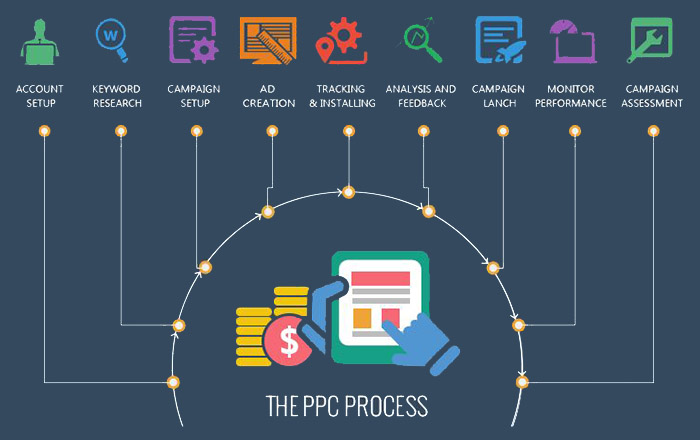
Once your campaign is live, monitor:
- Ad spend
- Keyword performance
- Google analytics data
- Conversion path effectiveness
- The performance of each landing page
- Which terms bring in new patients
Implementing and monitoring an effective PPC campaign for a dental practice is crucial to capitalize on potential conversions. Without implementing the most appropriate keywords, ads and budgets, it would be impossible to get results from your campaign. An accurate implementation of all components will set you up with better chances of success in terms of reaching out more customers at lower costs per click (CPCs).
Regularly monitoring performance data allows insight into how well individual campaigns are doing over time so that important changes can be made as needed which could lead further improvements or cost savings goals. Tracking metrics helps refine your keyword strategy, identify the right keywords, and improve your local SEO while boosting ROI. Monitoring helps provide detailed information about aspects such as keyword CPC levels, ad position variations and competitor activity thus providing best opportunities via search engine marketing tactics like bidding strategies or message modifications based upon demographics gained during research prior setting up the campaign initially.
Steps for implementing campaign
The steps for implementing a campaign include setting up the Pay Per Click (PPC) platform, defining your budget, further refining keywords and match types, and writing compelling ads with attention-grabbing titles and descriptive text that drives conversions. Once everything is set up in the PPC account structure of ad groups/campaigns/keywords etc., you can launch your campaigns.
Then monitor performance vigilantly to identify areas where improvements are needed on an ongoing basis by analyzing click-through rate (CTR), and cost per conversion(CPA or ROAS if applicable). Set schedules when regular updates need to be conducted such as monthly bids review & keyword analysis adjustment so all elements within this frame work remains relevant & profitable over time as user behavior changes frequently.
Benefits of monitoring campaign
Monitoring a PPC campaign is an essential part of ensuring success. Monitoring allows you to analyze performance, identify trends and opportunities in your target market, adjust bids on traits such as keyword position or device type, refine ad copy for increased efficacy so that it stands out from the competition’s ads.
Additionally monitoring also helps with identifying areas where budget isn’t being spent efficiently by allowing companies to detect when certain keywords are performing under expectation but still unnecessarily consuming spend without providing results. Moreover Being able measure progress over time through metrics makes gives insight into how effective changes have been implemented; this enables successful testing and refining which can lead increases not only ROI but profit margins too!
Conclusion
Creating an effective PPC campaign for your dental office involves more than choosing random keywords. From conducting keyword research to forming ad groups, choosing match types, analyzing competition, and writing compelling ad copy – it’s essential that all the pieces fit together as one cohesive unit in order to achieve success with your campaigns.
When your PPC strategy, SEO keywords, and search engine optimization efforts all work together, your practice attracts more new patients, improves visibility, and stays competitive among the best dentist providers in your area.
Lastly, once you launch your ads be sure to regularly monitor them so you have insights into which ones work best and where improvements can still be made. With the right strategy combined with testing & optimization tactics implemented over time – your practice will reap successful results from its PPC efforts.
Keyword strategy is only half the picture for dental PPC — pairing it with the right patient-journey segmentation and budget math matters just as much. See our complete PPC guide for dentists and orthodontists for how to turn those keywords into a full campaign strategy.