
6 Common Mistakes That Kill PPC Ad Conversions
Avoid common PPC ad conversion mistakes. Refine strategies to increase leads and drive better campaign results.

Running paid ads is an excellent way to get relevant traffic, sales, and other conversions. In some ways, it’s better than search engine optimization (SEO) because results are immediate – you can start generating traffic the moment your ad goes live.
When you need website visitors, PPC ads are perfect. Statistics published by techjury show that paid ads generate 65% of a website’s search engine traffic and create twice as much traffic as SEO. These are some promising stats. However, certain mistakes can kill your conversions.
No matter how many clicks you get, if your conversions are suffering, you might be unknowingly making some of the following mistakes.
Mistake #1: Not targeting real people with your ads
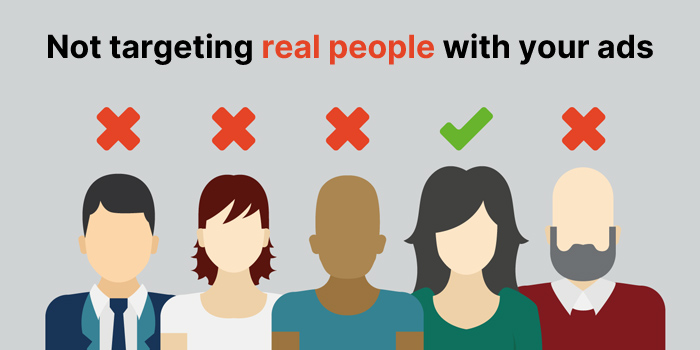
Do your marketing messages relate to your market as human beings? Are they relatable? Do your messages elicit a sense of humanity? People aren’t going to buy from you if your ads and landing pages sound like they were written for a faceless audience. You’ll get more conversions when your marketing copy speaks directly to your audience in a way that resonates with them. This is how you build trust in a short period of time. For example, you can use humor or real-life stories that people can relate to, and this will make them listen, read, and be more likely to buy.
Your target audience needs a reason to trust you in order to buy from you, and to build that trust, you need to speak their language. Your ads need to be relatable, even if it’s just general humor. However, if you can reach your target audience with specific messages that address their pain points and needs, you’ll do even better.
Mistake #2: Getting lost in metric minutia
You can focus on more than 100 metrics in AdWords and at least 75 in Facebook Ads, but that doesn’t mean they’re all valuable. In fact, when you focus on metrics that don’t matter, you’re wasting your time and you’re less likely to do things that will improve your conversions.
The bottom line is that conversions make you money, and when you get lost in metrics that don’t matter, you’re distracted from doing things that will increase your revenue.
The main metric to avoid getting lost in is traffic. Sure, you need traffic to get conversions, but optimizing your ads around traffic stats will only bring you more traffic. What’s wrong with more traffic? Isn’t that the goal? Yes and no.
Traffic is meaningless unless it converts. Generating more visitors will only inflate your conversion rates. If you’re looking at your traffic stats trying to devise ways to get more visitors with your ads, you’re ignoring conversions. What you need to do is zero in on your conversion rate.
Say you’re converting ten out of every 1,000 visitors to a landing page. That’s a 1% conversion rate, which is pretty low. Naturally, you’ll want to increase this percentage, but getting more traffic isn’t the way to go. Instead, you need to put your time and energy into optimizing your landing pages. Start running A/B testing and work on critical elements like your headings, page design, typography, and your calls to action.
Your goal is to get more sales, so don’t get lost in traffic metrics. Use the information to calculate your conversion rate, but don’t lose yourself in the belief that getting more visitors will automatically increase conversions – it won’t.
Mistake #3: Using poor landing page copy
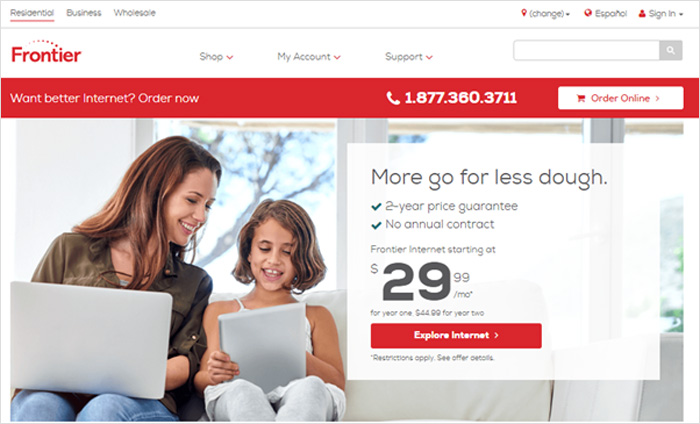
Bad copy is everywhere on the internet. You can’t avoid it. However, you can avoid killing conversions because of bad copy by stepping up your landing page game.
Words have the power to influence your audience for better or worse, so it’s essential to be intentional when you write your ads and landing pages. Your headlines need to be concise, yet descriptive, and your copy should present a clear value proposition to the reader. Calls to action need to be compelling and irresistible, and sales copy needs to be persuasive.
It’s easy to get people to click on your ads, but converting them isn’t automatic. Here are some simple tips for optimizing your landing pages for higher conversions:
- Get rid of your main navigation menu. Nav bars are perfect for your website, but they don’t belong on your landing pages. There are limited exceptions to this, but every link gives visitors a reason to leave the page. Even if they stay on your website, they probably won’t make it back to the landing page, which means if any of your visitors get curious and click around, they’ll become a lost conversion.
- Write direct CTAs. Don’t talk indirectly around the action you want visitors to take. Ask for the sale, tell people to buy now, be direct. Asking for the sale is a requirement, but you also need to make your buyers feel comfortable and your CTAs should never sound pushy.
- Address objections. Effective sales copy addresses and validates objections. People will naturally have questions, concerns, and reasons not to buy. Address these in your copy and put people at ease.
- Focus on benefits, not features. Although some people will buy a product or service based on highlighted features, that usually only happens when someone has already decided to buy and they’re now looking for an affordable, trustworthy option. To convert the vast majority of paid ad visitors to your website, you’ll need to sell them on the benefits of your product or service because they won’t all be ready to buy.
What’s the difference between a benefit and a feature? Here’s an example. Say you’re selling a power drill. Some features might include the speed, power, battery life, and ability to accept universal bits. The main benefit is much simpler – the drill will create the perfect hole in the wall, a piece of wood, plastic, etc. People don’t buy drills, they buy holes. When people want a hole in the wall, you need to convince them that your drill will make the best, most efficient hole.
If writing persuasive copy isn’t your thing, you can always hire a professional marketing company to write it for you. One major benefit of hiring a professional is having your ads and landing pages written by someone with experience who has already tested various page elements to see what works best. With a pro, you’ll be ahead of the game right out of the gate.
Mistake #4: Showing ads mostly to people who know you
If you’re like most business owners, you probably run paid ads on social media sites, like Facebook, where you can target your existing fan base, people who have visited your website, and anyone who has interacted with your ads. While this is an important component in retargeting, it shouldn’t be your entire PPC strategy.
By showing ads mostly to people who already know you, you’re not going to get much of a return. They already know what you’re selling and they might purchase something in the future, but many will simply ignore or hide your ads.
Branch out and start displaying your ads to people who haven’t interacted with your brand on your chosen ad platform before. Start reaching new people, and if you decide to target a new segment, be sure to tailor your ads just for them. You’re more likely to increase conversions by generating sales from people who haven’t seen your ads a thousand times.
Mistake #5: Not tracking your campaigns
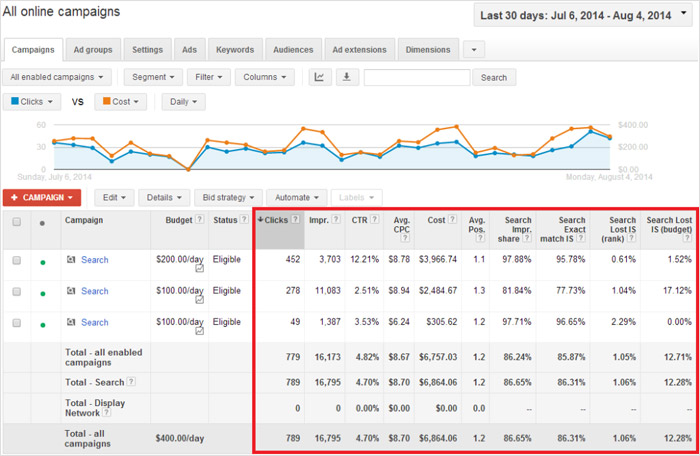
While getting lost in vanity metrics will work against you, it’s still important to track your progress. If you aren’t aware of how your ads are performing, you could be wasting money targeting the wrong demographics, running the wrong type of ads, or using the wrong platform.
Tracking your results along with A/B testing is essential for generating conversions. Even the slightest change in a page element can make a difference. For example, changing your typeface or your main heading has the potential to drive more sales or increase your bounce rate. You won’t know what’s creating your success or causing your failure unless you track your results.
Mistake #6: Being too casual about social issues
The decision to get involved in any social issue should be thought out ahead of time. You can kill your conversions by generating a bad reputation based on how you respond to various issues happening in the world.
You might think you’re doing something positive, but people watching might interpret it negatively. For instance, if you choose to reference some kind of major disaster in a marketing campaign, it might backfire if people interpret your ads as insensitive or feel like you’re taking advantage of a tragedy for your own gain. Many brands have lost a good reputation over this type of situation, so be aware of this possibility.
People pay attention to everything brands do online, and if you earn a bad reputation over a social issue, your clicks and conversions will drop.
Are you making any of these mistakes?
If any of these mistakes sound familiar, you’re not alone. Most business owners make some or all of these mistakes without knowing. Don’t worry, all you need to do is take a look at your strategy, identify the areas that you can improve, and make the correct changes. After a little bit of time and effort, you should see your conversions improve.
On the other hand, if you feel like you’re in over your head, you can always work with a professional paid ad agency, like PPC.co.
PPC.co can help you increase conversions
Whether you need sales, signups, or leads to follow up with through phone calls, we can optimize your paid ads and landing pages to get you more conversions. We are a full-service ad agency that specializes in pay-per-click ads on platforms like Facebook, Google, LinkedIn, YouTube, and others.
If your PPC ads aren’t converting as expected, contact us for more information about our services. We’d love to help you get the conversions you deserve!