
How to Do Cross Channel Lead Generation With PPC
Drive more leads with cross-channel marketing. Integrate PPC with other platforms for improved reach and results.

For obvious reasons, we love to promote the power and value of pay per click (PPC) advertising.
No matter your industry, the size of your business, or the goals of your advertising strategy, a PPC campaign can give you the reach and reliable lead generation you need to gain momentum.
But investing exclusively in one PPC channel is inefficient.
And so is investing exclusively in PPC as a lead generation strategy.
The solution is cross channel lead generation.
But what exactly is cross channel lead generation? And how should it apply to your PPC advertising lead generation strategy?
What Is Cross Channel Lead Generation?
The term “cross channel” refers to coordinating efforts across multiple different mediums or platforms, and it can apply both within the world of PPC advertising and outside of it.
Within PPC advertising, you can use cross channel lead generation to display your ads across multiple different platforms and networks, such as Google, Bing, Facebook, and LinkedIn. You can manage several different PPC ad campaigns interdependently, taking advantage of a wide range of tools and techniques to get the greatest value from each ad you place.
Outside of PPC, cross channel lead generation includes a variety of both inbound and outbound lead generation strategies. For example, in addition to your cross channel PPC ads, you can practice cold calling, cold emailing, SEO, and drip email marketing.
We’ll be exploring both sides of this equation but will primarily focus on cross channel lead generation within the PPC realm.
The Benefits of Cross Channel Lead Generation
Why should you consider cross channel lead generation?
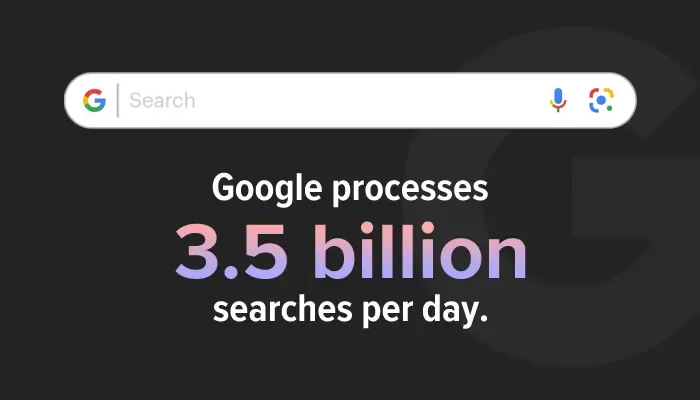
- Wider reach. There are about 40,000 Google searches every second, accumulating to more than 3.5 billion searches per day. That amounts to a huge potential reach – but there are still billions of people who never use Google, and potentially billions more who use other platforms at least as much as Google. If you want to broaden your reach and get in touch with more leads, you’ll need to go beyond merely placing PPC ads with Google – even if it is the biggest and most prominent PPC ad network in the world.
- An omnichannel presence. There’s value in maintaining an omnichannel presence, reaching people in multiple ways, across multiple mediums, as they become more acquainted with your brand. In most industries, customers aren’t going to buy from you the first time they hear about your product; they need to become aware of your product, they need to build trust with your brand, and they need to be reminded of your product consistently. While you can technically do some of this in a single platform, it’s more efficient and effective to distribute your efforts across many platforms. On Monday, they might see an ad on Facebook. On Wednesday, they might receive a cold call from your brand. By Friday, when they see your Google PPC ad, they might be ready to learn more.
- Competitive avoidance. Competition is one of the biggest challenges facing you as an advertiser. In some contexts, fierce competitors can essentially lock you out from an advertising opportunity, artificially increasing the cost to advertising while reducing your potential reach. Opening the door to other advertising networks and lead generation platforms gives you an easy out, allowing you to find emptier territory to occupy.
- Comprehensive sales funnel coverage. Good lead generation strategies operate throughout the sales funnel, from the moment a prospect gains awareness of a problem to the time they make a final purchasing decision. This is tricky to do on a single platform, but cross channel lead generation gives you much more flexibility.
- Lead and customer data. How much do you truly understand the behavior and thought patterns of your target demographics? The better you know your target audience, the better you’ll be able to advertise to them. But if you’re only advertising on one channel, or reaching leads in one way, you’re going to have a limited stream of data to work with. Practicing cross channel lead generation helps you gather data on how your prospects behave in a number of different situations and across all stages of the sales funnel.
- Efficient budget allocation. Once you understand metrics like cost per conversion and lead quality, you can begin allocating your budget much more efficiently. At the start of your journey, you might utilize each channel in your portfolio somewhat equally. But over time, you’ll learn that some channels are strictly better than others, and some channels are best used for specific niche purposes. Once you learn to read these channels effectively, you can maximize your spending on the most effective channels while cutting the ones that don’t work.
How to Do Cross Channel Lead Generation With PPC
Now let’s dig into the details of how you can practice cross channel lead generation with PPC advertising.
Decide on Complementary Channels
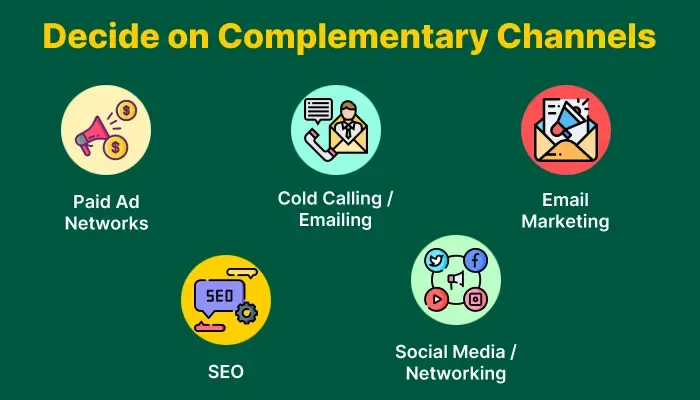
Your first step is to decide on which complementary channels to include. You’ll need to do some research upfront here, studying your target demographics as well as your competitors to figure out which channels might be the most promising.
That said, try not to overthink this. None of these marketing channels require an extensive commitment, and you’ll be reshuffling your budget in the future anyway. If a channel doesn’t work, you can always cut it in the future.
- Paid ad networks. Google and Bing/Microsoft are probably the best-known PPC advertising networks, since search engines were the first platforms to host PPC ads and are still incredibly popular. But you’ll also need to consider YouTube, Facebook, Instagram, LinkedIn, Twitter, Pinterest, and other networks. Each of these platforms appeals to a different subset of demographics and each has strengths and weaknesses; as a simple example, Google has a bigger reach, but Bing ads are typically less expensive.
- Cold calling/emailing. In addition to distributing your budget across multiple channels, it’s a good idea to practice cold calling and cold emailing. You might believe that these strategies are obsolete in an era of convenient digital advertising, but the low-cost basis and consistent replicability of these strategies make them worth considering.
- Email marketing. Drip email marketing is also an excellent multi channel lead generation strategy to complement PPC ads, assuming you can get access to the email addresses of your target prospects. These campaigns are ridiculously cheap to start up and manage, and they can be largely automated, so they don’t take up much of your time.
- SEO. Search engine optimization (SEO) allows you to boost the rankings of your web pages, so they appear higher in organic search results. This is an excellent complement to the paid advertising at the top of SERPs, in part because you can reach people who might ignore ads entirely. This strategy takes some time to develop, so be prepared for a few months of investment before you start seeing results.
- Social media/networking. Social media is also good for more than just PPC advertising. When utilized properly, you can use it as a networking channel, reaching out to new people, better understanding them as prospects, and eventually converting leads. A well-rounded multichannel marketing approach will allow for consistent audience engagement and long-term success.
Define Your Sales Funnel and Sales Cycle
Next, if you haven’t already, define your sales funnel and sales cycle.
Your sales cycle applies to individual leads in your pipeline; it’s a description of the process the average lead follows to eventually become a paying customer (or buy a new product from your business). It might go something like Prospecting > Initial Connection > Presentation > Overcoming Objections > Close.
Your sales funnel is somewhat similar, describing the average path your customers follow on their journey to become customers, but it has a higher-level, more aggregated view. A sales funnel might unfold in phases like Awareness > Research > Consideration/Comparison > Decision.
It’s important to understand both of these so you can better contextualize the behavior of your users and better allocate your budget. With proper planning, you can design and display advertisements for different types of prospects, based on where they are in the sales funnel.
We’ll take a closer look at these strategic decisions in the next section, but for now, focus on defining what the phases of your sales cycle and sales funnel are. These conceptual tools look a bit different for every business, so consider making modifications to any templates you find.
Distinguish Between High Funnel and Low Funnel Promotions
Strongly differentiate between your “high funnel” and “low funnel” promotions – and use your advertising networks accordingly.
A high funnel promotion is designed to appeal to users higher up in your sales funnel; these are people who probably aren’t aware that your brand exists and they may not even know they have a problem that needs to be solved. Messages like “Are you spending too much on HR needs?” and promotions of educational content are excellent here; the goal is to raise awareness, stimulate interest, and begin nurturing your leads.
A low funnel promotion is designed to users lower in your sales funnel; these are people who already know your brand and are getting ready to make a purchase. Special offers, discounts, and other incentives to close the deal are ideal here.
There are, of course, other stages in the middle of your sales funnel, too. But high funnel and low funnel promotions are a great place to start.
Distinguish Between Push and Pull Promotions
Next, distinguish between platforms and advertisements meant to push your audience toward something they haven’t heard of before and those meant to pull your audience towards something they’re already familiar with.
If a customer has never heard of your brand before, they have no reason to search for it. They may also be totally unaware of whatever problem you’re trying to solve. If you want to get their attention in your cross channel marketing campaign, you’ll need to reach out to them in some generic, mass-marketed way through multiple marketing channels, including offline channels like print ads, direct mail, or event sponsorships. This is considered a push promotion.
If a customer is already acutely aware of the problem they need to solve, and they’ve done at least some research to make a purchasing decision, you’ll need to reach out to them when they’re actively searching for your brand or a solution like yours. Using tools like Google Analytics, your marketing teams can track user behavior and refine strategies to improve engagement and conversions. This is considered a pull promotion.
Now let’s combine these ideas.
For customers high in your sales funnel, push promotions are best. You’ll begin introducing your brand, you’ll reach people who may not have heard of you, and you can begin warming up these potential leads. Social media networks are typically good for this, as long as you know who you’re targeting.
For customers low in your sales funnel, pull promotions are best. You’ll capitalize on search intent, placing your advertisements for keywords and phrases that indicate purchasing intent or at least serious research on the subject.
It’s a great strategy for using each platform/channel to its fullest potential – and it’s only going to get better once you have more data available to you.
Calculate Baseline Costs per Lead
As you begin experimenting with different channels and approaches, attempt to estimate your “baseline” costs per lead. In other words, how much would you pay for each quality lead generated by a given strategy?
If you’ve been practicing PPC advertising on a single channel for some time, you probably have a reasonable basis for this projection. How much does it cost, approximately, to generate a lead under normal circumstances?
This is going to serve as your comparative foundation when planning for lead generation across other channels. If it costs $5 to generate a typical lead on your primary platform, but it only costs $1 to generate a high funnel lead on a competing platform, you know this secondary channel/strategy is worth pursuing. If it costs $10, you know not to bother.
Your measurements don’t need to be precise at the beginning of your campaign; this cost basis is meant to loosely guide you in your early decision making. Objective analytics and precision come later, once you’ve had a chance to run more experiments and gather more data.
Measure and Analyze Key Performance Indicators (KPIs)
Across all your channels and platforms, you need to commit to measuring every significant variable. Most PPC ad platforms (and most lead generation strategies in general) make these tools free and easy to use – you just have to go through the effort of using them.
These are some of the most important KPIs to measure across your campaigns:
- Conversion rates. How many people are converting for each of your advertisements on your various networks? How do these conversion rates fluctuate when you apply different changes?
- Landing page behavior. Your strategy heavily depends on the quality and persuasiveness of your landing pages. Which of your landing pages seem to be the most effective and why? When you make changes to headlines, images, and body copy, how do your leads react?
- Cost per conversion. What is the overall cost per conversion associated with each channel? Lower costs are generally better, but you’ll also need to understand other variables in context – like lead quality.
- Lead quality. You may be able to generate leads cheaply, but what is the quality of those leads? It’s worth spending more if your leads are more likely to make a purchase with you.
- Overall ROI. Return on investment (ROI) is the Holy Grail of marketing/advertising metrics, helping you figure out the “true” value of each strategic approach.
As you gather more data, you’ll get a better sense for the strengths and weaknesses of each platform, the power of your spending, and the behavioral patterns of your most important demographics. And with this information, you can reallocate your budget to maximize your ROI.
Are you ready to start a cross-channel PPC campaign of your own?
Are you interested in boosting the value of your existing PPC ad strategy?
We have seasoned experts who can help you from start to finish. Contact us for a free proposal today!