
What is Cost Per Click in PPC?
Understand Cost Per Click (CPC) in PPC advertising. Learn how it impacts your budget and drives measurable campaign results.

If pay-per-click (PPC) advertising is new to you, the many metrics and terms might confuse you at first. The most common words you’ll see the most are PPC and cost-per-click (CPC). It’s good to offer quick summaries of both, but understanding what they’re about and how they’re related takes explanation, as we do below.
An Overview of PPC
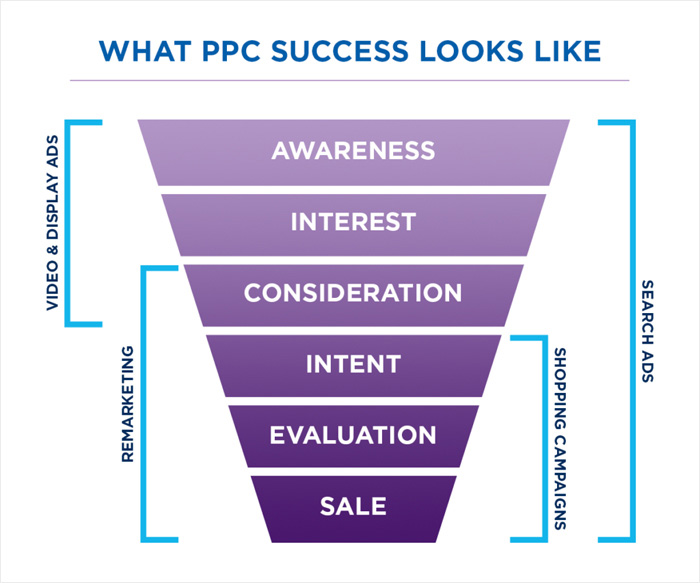
When you begin to focus your website efforts on gaining more visitors, you can choose managed search engine optimization or PPC advertising, among other things. Most websites do both.
PPC is a form of digital advertising where you pay every time someone clicks your ad.
You may have the campaign set up for a certain sum per click. Usually, site owners establish a daily budget they want to spend. The value of every click will vary based on search volume and competition.
Your other option when you choose PPC advertising is to pay for your ad’s impressions. This is also known as ‘views.’ The term means how many times your ad is put on a page from the advertising source, no matter if it was seen or not. Impressions are counted by cost per 1000 impressions or CPM. If you use Google Display Network ads, you’re probably paying per 1000 impressions.
Impressions don’t require the prospect to click anything. They may not take any action. With clicks, you know the person who clicked your link and visited your site. They haven’t viewed your site yet or bought anything but getting them there is step 1.
An Overview of CPC
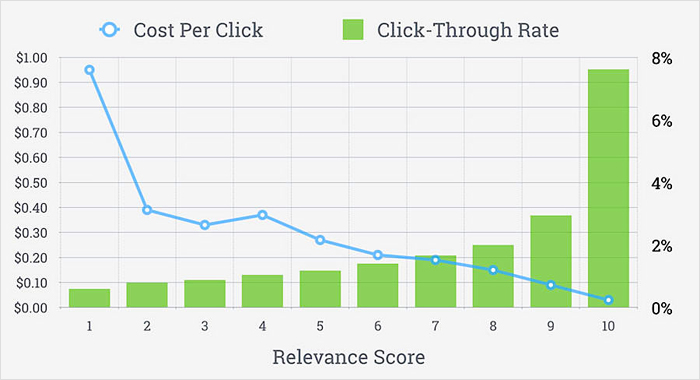
CPC measures how much a click costs you in a given industry for specific keywords. Cost depends on how popular those keywords are and how often they’re searched. If you run advertisements for ‘Adele bloopers,’ and Adele falls down the steps the next day, you’ll pay a much higher CPC because there will be so many more searches for that phrase. If you set a fixed budget, you won’t lose your shirt, but your funds will be gone faster.
CPC is one aspect of PPC marketing, but CPC may refer to the entirety of PPC advertising. CPC helps you determine how pricey a keyword phrase is against the advantage and strategies for gaining the clicks. It’s helpful to decide on the best terms to select and when you figure your return-on-investment when the campaign is running.
How To Determine Your CPC
These factors decide what your CPC is, either on Bing or Google:
- Maximum bid: This is the sum you’ll pay when a prospect clicks your ad.
- Quality score: This comes from the quality of the landing page, the relevance of keywords, and CTR.
- The rank of ad: Factors within and outside your control influence this. Such as search context, quality of the ad when you started the campaign, and how much you bid.
Keep in mind that having a high bid doesn’t mean you’ll win the auction. If you keep the highest quality score and ad rank possible, you can obtain an excellent return with your PPC ads.
How To Lower Your CPC
Are you looking to get ideal results from your digital ad campaigns? Then you need to lower your CPC. Here are some sure-fire ways for great results:
Finetune Your Audience
The audience you target is a significant factor that will affect your cost-per-click for social media and PPC ads. You want to get your ads in front of people who desire your services or products and get a click. To lower CPC, determine who the audience is as accurate as possible.
How to do this? Think about the people most likely to line up and buy your products or services today. Who’s your ideal customer?
Consider age, marital status, purchasing habits, hobbies, gender, and occupation. All of these demographics affect the audience’s buying decision. For instance, single women who are 20 years old and like running will have different characteristics than married men who are 55 and love to sail.
When you refine the audience, you’re getting more specific on who you want to reach. Of course, your business could have several ideal customer types. You should have different ad groups for each one.
Devise Relevant Advertisements
It seems obvious, but creating ads your audience will respond to is essential. The relevancy of each ad affects social media and PPC advertising.
With PPC, the relevancy of the ad applies to the quality score. It’s a significant factor that affects the quality score of each ad. Google or other search engines will check the keyword selection and the ad to check that it dovetails with those keywords.
When you own a high-quality score, your ads will be placed higher. You’ll get better leads. Also, you can get a lower cost-per-click because of the ad’s high relevancy. In this way, you can drop your CPC with effective pay-per-click advertising.
When you do your social media ad buys, the relevancy of the ad affects your cost-per-click. Social media websites strive to put relevant ads in front of the appropriate audience. When you make your ad highly relevant to your chosen audience, your cost decreases.
If your ads aren’t quality, they may not only receive a poor score, but they could also be suspended from Google altogether.
Write An Outstanding Call To Action (CTA)
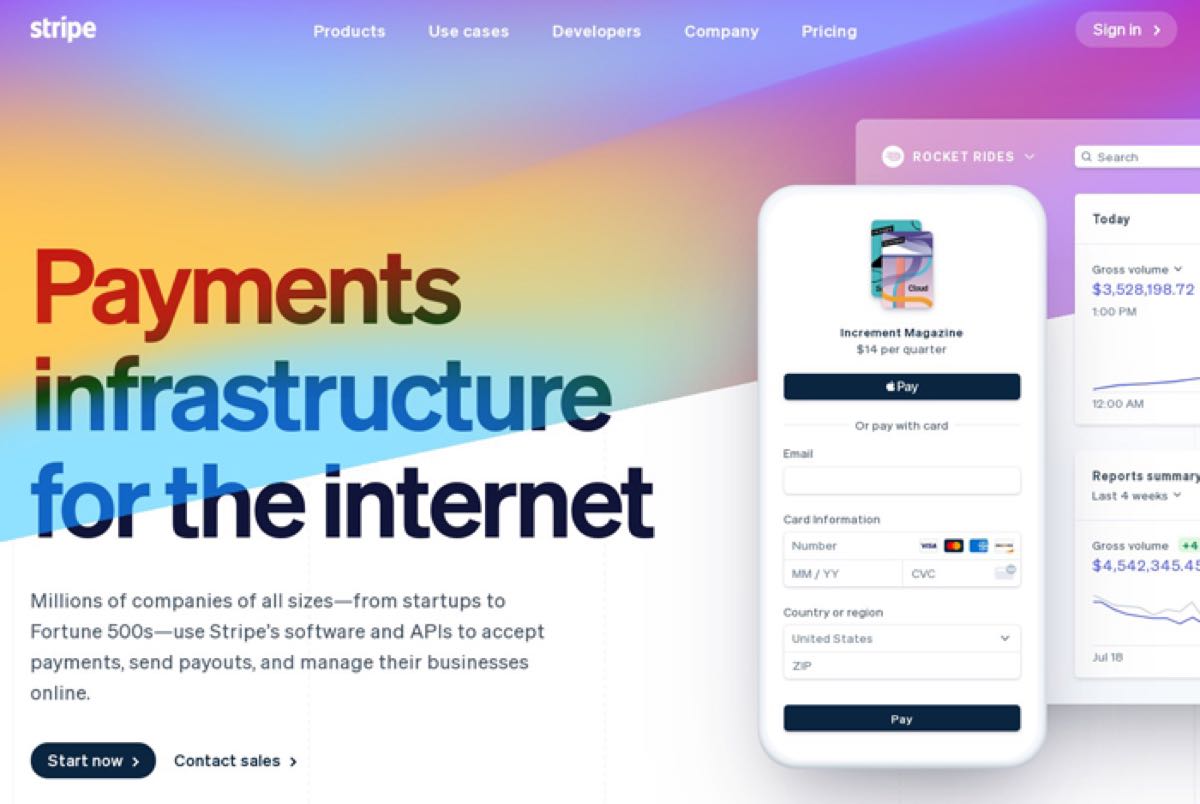
Some write it as an afterthought, but the CTA is possibly the most essential part of your digital ad. It gives the prospect instructions on how to interact with you.
An effective CTA matters because it nudges the person in the appropriate direction. Many prospects will be intrigued by the ad and want to move forward.
If you’re doing PPC ads, you’ll want a compelling CTA on the landing page. This will grab more leads for your site.
Don’t make the CTA generic; if you say, ‘click here,’ yawn! They aren’t learning anything about the next stop.
Try something specific, such as ‘download your free report now.’ They know what’s going to happen, and they’re getting something valuable to them.
Now that you’ve learned more about CPC, PPC, and how to lower your cost-per-click, you should be ready to craft some compelling ads that will make your business more profitable.
Curious how CPC actually plays out platform to platform? We broke down Bing Ads vs. Google Ads for electronics and gadgets, with real CPC and CPA numbers for the category.
Accounting firms are a good case study in working CPC backward from client value. Our PPC guide for accounting firms shows the full math, from average client value down to max cost per click.
Insurance is one of the most expensive verticals for CPC, with some auto insurance keywords running $20-50 or more per click. Our PPC guide for insurance agencies covers how to work backward from commission and close rate to a max cost-per-lead you can actually afford.